

Burr, it's getting cold out there!
Keep your birds fat, warm and happy this winter by offering suet!
Our Certified Bird Feeding Specialists can help you choose the perfect suet option for your backyard friends.
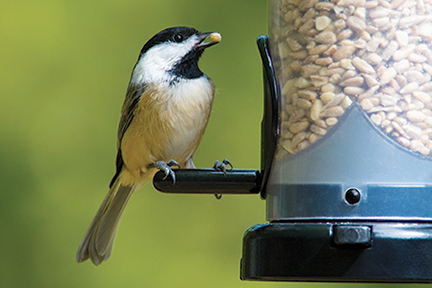
We often get customers who ask us why they need to feed birds in the winter, since "they all migrate anyways". The truth is... THEY DON'T! The majority of our feeder birds here in NE Wisconsin are year-round residents, including cardinals, blue jays, chickadees, nuthatches, gold finches, woodpeckers, and even some robins! Perhaps these customers just don't see the birds in winter because they stop feeding them?
Sources of fat are extremely important for birds to survive and thrive over the harsh winter months. Did you know that a chickadee can lose HALF of it's body fat reserves in just one night by simply staying alive? Offering a consistent source of quality fat such as our WBU-brand suet and SuperSuet products, our Bark Butter lineup, and Winter SuperBlend can help your backyard flourish through winter and beyond.
Regular Suet VS. No-Melt Suet Dough
So, what's the difference?
The main ingredient in a quality suet cake is just that: suet, a rendered beef tallow product that is white and oily. Our WBU suets also contain a variety of seeds, nuts and berries that our local feathered friends can't resist. We generally recommend a regular suet cake in most instances, since the birds tend to prefer it over a No-Melt version. However, suet can get pretty messy when exposed to direct sunlight or temperatures over 95 degrees F, so we also carry No-Melt versions of our WBU suet recipes.

No-Melt suet doughs contain a large percentage of corn meal to bind the fatty suet together, thus the name "dough". While it helps the cakes, cylinders, and balls keep their shape, corn is not necessarily a songbird favorite. Rest assured- our WBU No-Melt products use as little of this filler as possible to achieve great results, and your birds will thank you! We stray away from recommending No-Melt suet cakes in the winter months, because they tend to become very hard when frozen and the higher fat content in a regular suet cake is preferred by cold, hungry birds.
Butter them up with Bark Butter!
Our Bark Butter products are amazingly versatile and allow us to support birds that wouldn't traditionally be considered "feeder birds".
More than 30 years ago, Wild Birds Unlimited founder Jim Carpenter observed the foraging activity of birds like nuthatches, chickadees, kinglets, wrens and Brown Creepers, and set out to create a new bird food in the hope of attracting Brown Creepers to the trees in his yard. Working in his own kitchen, it took him nearly two decades to perfect the recipe and bring to market what is now known as Jim’s Birdacious® Bark Butter®.
Jim created Bark Butter as a “spreadable” suet that could be applied directly to the trunk of trees…and it soon became clear that it was a natural magnet for tree gleaning birds. Brown Creepers were not the only birds that loved it. Amazingly, over the past decade it has been documented to attracted more than 160 species of birds to our backyards.

The Bark Butter formula has been replicated into several formats including dough cakes and Bark Butter Bits, and even hot pepper variations of all of these to prevent squirrels from devouring what's meant to feed the birds.
One of our favorites in the store are Bark Butter Bits- tiny little morsels of fatty goodness that can be mixed in to seed blends (like our No-Mess Plus and Tree Nutty Plus) or tossed in a tray for the cardinals and other platform eating birds that can't use a traditional suet feeder. We even have a version called Bugs & Bits that's mixed with dried mealworms to provide a perfect balance of fats and proteins for any season.
